Understanding the Impact of Weather on Different Fencing Materials Jan 07, 2026
Weather conditions vary greatly depending on geographic location, with factors such as rain, snow, humidity, high winds, and intense sunlight all taking a toll on fencing materials. Awareness of how different materials respond to these elements helps in choosing a fence that will not only look great but last for years to come.
Wood is a classic choice for fences due to its natural appearance and versatility. However, wood is highly susceptible to weather-induced damage. Moisture from rain and snow can lead to rot, warping, and cracking. Additionally, wood fences may require regular treatments to prevent termite infestations and to maintain their appearance. To mitigate these effects, select treated lumber and apply sealants regularly to extend its life.
Metal fences, such as those made from steel or aluminum, are known for their strength and security. They handle various weather conditions well but are not entirely immune to them. Steel fences can rust when exposed to moisture, particularly in areas with high humidity or frequent rain. Aluminum fencing is less prone to rust but can be damaged by high winds if not properly installed. Choosing a powder-coated finish can help protect metal fences from rust and corrosion.
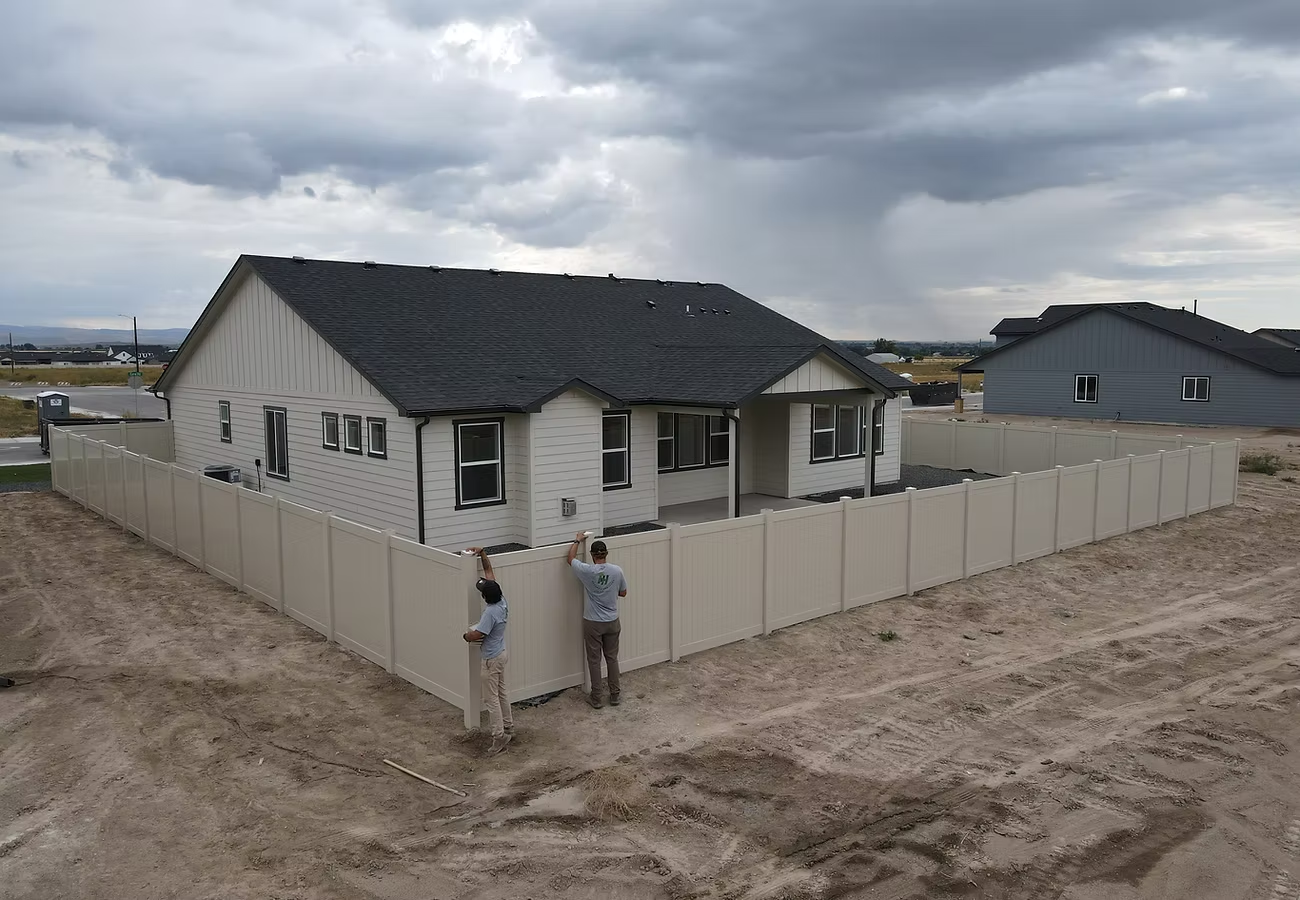
Vinyl fencing has gained popularity due to its low-maintenance nature and resistance to weather damage. Unlike wood and metal, vinyl does not rot, warp, or rust. It performs exceptionally well in areas with high humidity and frequent rainfall. However, extreme temperatures can cause vinyl to expand and contract, which may lead to cracks or breaks over time. Manufacturers often provide guidelines for installation and maintenance to address these issues.
Composite fencing, made from a blend of wood fibers and plastic, offers the appearance of wood with increased durability. It resists rot, insect damage, and does not succumb to moisture as easily as traditional wood. Composite materials handle a range of weather conditions well, making them a great option for regions with diverse climates. Despite their resilience, it is essential to clean composite fences periodically to prevent mildew and staining from environmental debris.
Considering the local climate is vital when selecting a fencing material. In areas prone to heavy snowfall, such as northern regions, the weight of snow could cause structural damage to less sturdy materials. Conversely, in climates with intense sunlight and heat, fading and brittleness can be significant concerns. UV-resistant coatings can help reduce the impact of the sun on fence materials.
To sum up, each fencing material has its strengths and vulnerabilities in withstanding weather conditions. Consulting with experienced professionals like those at T&H Outdoor Services can provide tailored advice for your specific environment, ensuring your fence remains robust and attractive for years to come. Selecting the right material and conducting regular maintenance are crucial steps in protecting your fencing investment against the forces of nature. Remember, proper installation and quality materials are key to a long-lasting, weather-resistant fence.
/filters:no_upscale()/filters:format(webp)/media/2ce4f03d-f934-4f80-8590-f98541301b64.jpeg)