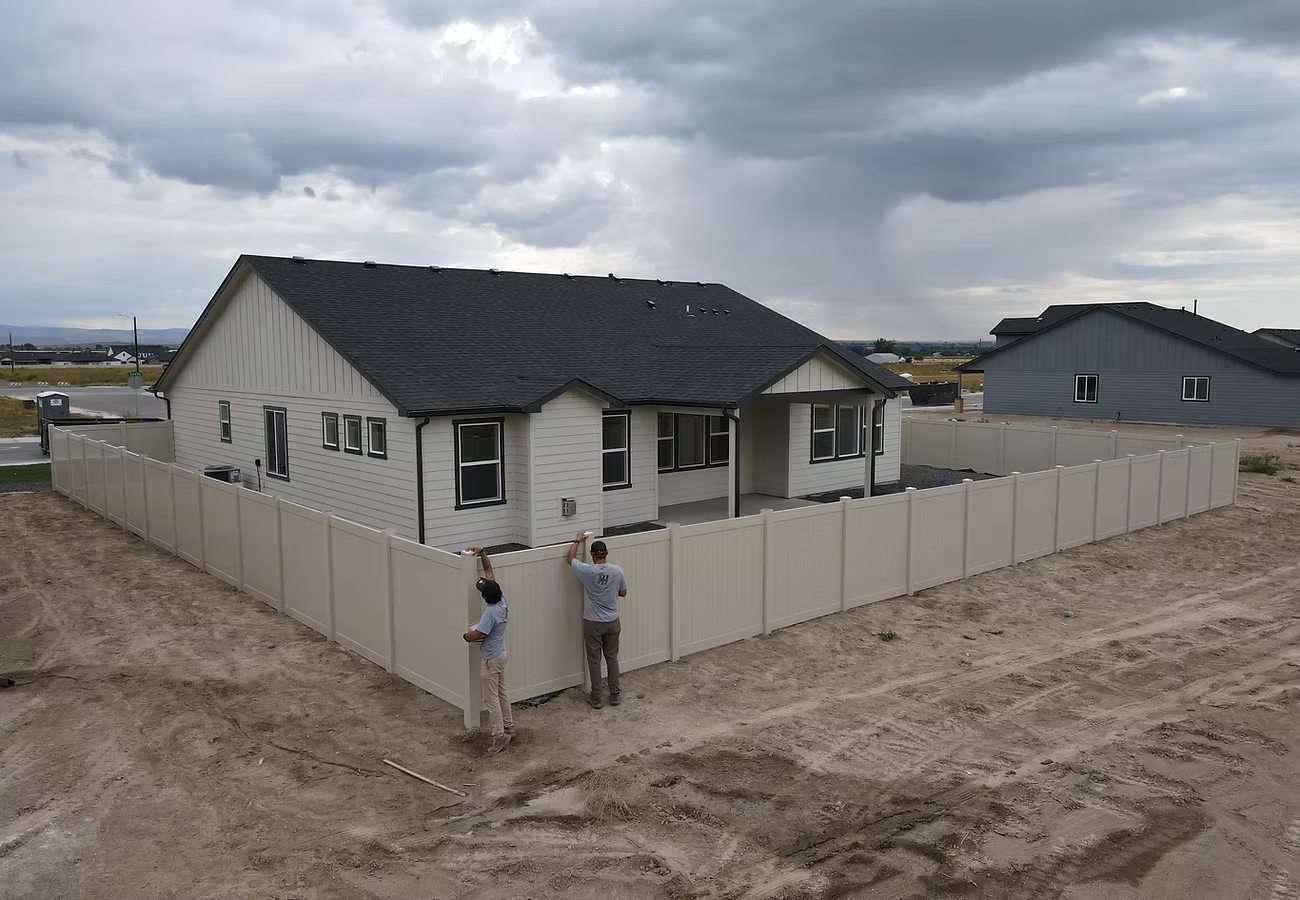
Perimeter Perfection: Crafting the Ideal Fence for Uneven Terrain Jul 02, 2026
When dealing with uneven terrain, the first step in crafting the ideal fence is to thoroughly assess the landscape. This involves identifying significant slopes, dips, or any abrupt changes in elevation that might impact the fence’s stability and appearance. The topography of your land will determine the most suitable fencing style and techniques to employ. For instance, properties with gentle slopes might benefit from the use of stepped fence designs, which involve creating level sections of fencing that gradually step down the hill.
Once the terrain has been assessed, selecting the appropriate material for your fence is crucial. Durable materials such as cedar, vinyl, or metal are often recommended due to their resilience and ability to withstand the challenges of uneven surfaces. Wooden fences provide a classic look that blends well with natural surroundings, while metal fences offer strength and durability for more rugged landscapes.
After selecting the appropriate materials, another key consideration for fencing on uneven terrain is the choice between stepped and racked (or contoured) fencing techniques. Stepped fencing is best for properties with significant changes in elevation as it uses panel sections that remain horizontal but follow the contour through step-like patterns. This approach creates an architecturally pleasing staggered effect that not only adapts to the incline but also maintains structural integrity.
Alternatively, racked fencing is recommended for gradual slopes. In this method, the fence panels are adjusted to follow the natural angle of the landscape, allowing for smooth transitions and seamless appearance. This technique provides a sleek and continuous flow, eliminating gaps at the base of the fence, lending to a more consistently protective boundary.
Regardless of the technique, proper installation is paramount to ensure durability and effectiveness. Post setting is a critical component where precision is necessary. Whether using additional concrete for support or ensuring posts are set deep enough into the ground to prevent leaning, these methods are essential for creating a resilient fence on uneven ground.
Finally, maintaining the fence on uneven terrain is just as important as its design and installation. Regular inspection for any signs of wear or damage, especially after severe weather conditions, is a good practice to ensure longevity. Prompt repairs and the application of weatherproof treatments can significantly extend the lifespan of your fence, securing your perimeter effectively for years to come.
In conclusion, creating the ideal fence on uneven terrain is about understanding and adapting to the landscape's unique characteristics. At T&H Outdoor Services, we offer expert guidance and professional services to cater to these intricate fencing needs. Our customized solutions are designed to enhance your property's value while providing you with reliable security and privacy. Whether you're looking for a traditional wooden fence or a modern metal barrier, we are committed to helping you achieve perimeter perfection, no matter the terrain.
/filters:no_upscale()/filters:format(webp)/media/2ce4f03d-f934-4f80-8590-f98541301b64.jpeg)